


Just like us, our pets need a little extra care during the cold winter months. As the seasons change, so do their natural behaviours. Understanding what’s normal for your pet in winter can help you quickly spot when something isn’t quite right.
What’s normal for pets in winter?
During colder weather, you may notice your pet:
-
Seeking warmth and shelter, curling up in blankets, sunbeams, or near radiators
-
Wanting to stay indoors, especially when it’s wet, cold, or snowy
-
Becoming more affectionate, huddling with other pets or family members for comfort
-
Shivering, particularly smaller or short-haired breeds
-
Eating more and drinking less, though fresh water should always be available to prevent dehydration
-
Grooming more, helping maintain a healthy, insulating coat
Pets that need extra care
Some pets are more vulnerable to winter conditions and may need closer monitoring:
-
Flat-faced (brachycephalic) breeds, which can struggle to breathe in cold air
-
Short-coated breeds, who feel the cold more easily and may benefit from coats or warm bedding
-
Pets with arthritis, as cold weather can worsen joint pain
-
Pets with heart conditions, since cold temperatures place extra strain on the heart
If your pet falls into any of these categories, speak to your vet about the best ways to protect them during winter.
Staying safe in extreme weather
Winter weather can bring hidden dangers. Help keep your pet safe by watching out for:
-
Cold temperatures and wind, which can lead to hypothermia without proper shelter
-
Snow and ice, which may conceal hazards or thin frozen surfaces
-
Flooding or wet conditions, as damp fur or feathers can quickly cause chilling
Always dry your pet thoroughly if they get wet and avoid letting them roam freely in unsafe conditions.
Keep them warm, dry, and visible
Keeping pets warm and dry is essential for preventing illnesses like frostbite, hypothermia, and respiratory infections. Proper shelter, cosy indoor spaces, or winter clothing can make all the difference.
With darker mornings and evenings, visibility is also important. Reflective coats, vests, or LED accessories help keep you and your pet safe on walks. Finally, watch out for antifreeze and rock salt, which can be toxic if licked off paws or fur. Wipe your pet’s feet, legs, and tummy after walks to reduce the risk.
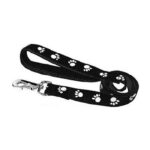
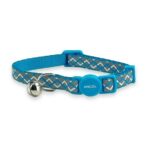
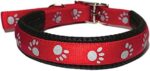
Check out some of our winter weather essentials from our animal centre shop below:



With a little extra care, your pet can stay healthy, comfortable, and happy all winter long. ❄️🐶🐱